Best Security Panic Button System: Essential Picks for Quick Alerts
When every second counts, a reliable panic button system can provide fast alerts and help. This article examines five top options designed for home, work, or travel use, highlighting how they perform in real-world scenarios, their power options, and how to choose the right setup for you. Below, you’ll find concise product overviews, a handy buying guide, and practical considerations for different environments.
| Product | Key Use | Power/Alerts |
|---|---|---|
| Ivation Personal SOS Alarm Keychain | Personal safety on the go | 125 dB siren; LED strobe; carabiner; air travel friendly |
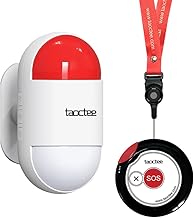
| Panic Button Alarm for Security Emergency Remote Panic Alarm Siren | Home, office, shop security | 0-120 dB; adjustable duration 30 s–10 min; battery or USB charging |
| SimpliSafe Panic Button | Home security integration | One-press alarm; compatible with monitored plans; audible or silent options |
| Panic Button Alarm for House Remote Control Strobe Siren | Comprehensive emergency alerts | 120 dB MAX; strobe light; adjustable duration |
| CallToU Caregiver Pager Wireless Call Button | Caregiver/elderly assistance | 500+ ft range; wireless receiver; waterproof transmitter |
Overview: The selections cover compact personal devices, versatile home/office alarms, and caregiver-assisted alert systems. Each option provides audible alerts, visual cues, or a combination to quickly draw attention and summon help. Consider range, power options, ease of use, and compatibility with any existing security setup when shopping for a panic button system.
Ivation Personal SOS Alarm Keychain

Panic Button Alarm for Security Emergency Remote Panic Alarm Siren
SimpliSafe Panic Button

Panic Button Alarm for House Remote Control Strobe Siren

CallToU Caregiver Pager

Buying Guide: Key Considerations
Purpose and environment: Personal safety devices fit in pockets or bags, whereas home systems should integrate with existing security setups. For caregivers, wireless pagers with long range are ideal.
Sound and light alerts: Look for adjustable volume (0–120 dB) and visible cues like strobes. Consider whether you need audible alerts, silent modes, or both for professionals.
Power options: Battery-powered units work offline but require replacements; USB charging or rechargeable batteries offer ongoing operation without frequent changes.
Range and reliability: Wireless range is crucial for caregiver or large home usage. Check the recommended operating distance and any interference considerations.
Ease of use and installation: Devices should be simple to trigger with one hand and quick to deploy in emergencies. Check mounting options and whether professional installation is needed.
Compatibility and expansion: If you already use a home security system, evaluate whether a panic button can be seamlessly integrated or added as an accessory.