Best Seagrass Rug With Border Options for Natural Interiors
This guide highlights seagrass rugs featuring clean borders, ideal for creating a calm, coastal-inspired look. We compare textures, borders, and sizes from trusted brands to help American homes pick durable, easy‑care options that suit living rooms, hallways, and dining spaces.
Summary of selected products:
| Product | Size | Border | Material | Notes |
|---|---|---|---|---|
| SAFAVIEH Natural Fiber Seagrass Rug (NF114A) – 5×8 | 5×8 ft | Fabric border | 100% Natural Seagrass | Basketweave pattern with border edge |
| SAFAVIEH Natural Seagrass Rug (NF114A) – 4×6 | 4×6 ft | Fabric border | 100% Natural Seagrass | Basketweave with border edge |
| SAFAVIEH Natural Seagrass Rug (NF114A) – 6×9 | 6×9 ft | Fabric border | 100% Natural Seagrass | Basketweave with border edge |
| nuLOOM Rigo Jute Rug – 9×12 | 9×12 ft | None specified | Jute | Handwoven, fiber texture; versatile farmhousestyle |
| SAFAVIEH Natural Seagrass Rug (NF115A) – 6×9 | 6×9 ft | Fabric border | 100% Natural Seagrass | Herringbone pattern with border edge |
SAFAVIEH 5×8 Natural Seagrass Rug With Border

The SAFAVIEH NF114A series uses 100% natural seagrass, imported and machine-woven by skilled artisans. The basketweave texture offers a rich, natural look with subtle color variations that emphasize its organic character. A fabric border completes the edge, providing a clean, finished appearance while helping protect the rug’s sides in busy spaces. This size suits larger living areas or defined seating nooks, where the border helps anchor furniture layout without overpowering decor.
SAFAVIEH 4×6 Seagrass Rug With Border
This 4×6 rug from SAFAVIEH’s Natural Fiber line delivers the same seagrass basketweave texture in a compact footprint. The border detail provides a crisp contour that helps define small seating areas or entryways. Natural seagrass fibers are durable under foot traffic, and the slight color variation adds a warm, earthy feel. Ideal for apartments, dens, or kitchen underlays where a low-profile, low-maintenance rug is preferred.
SAFAVIEH 6×9 Seagrass Rug With Border

A larger option in the same family, the 6×9 rug emphasizes the seagrass basketweave with a gentle border. Slight color variations in the fibers contribute depth and authenticity. The fabric border offers a neat, finished edge, aiding in grip and layout stability in living rooms, dining spaces, or entryways. This size pairs well with sectional layouts or larger coffee tables where texture is a focal point.
SAFAVIEH NF115A 6×9 Seagrass Rug With Border (Herringbone)

This 6×9 rug features a subtle herringbone pattern woven into natural seagrass with a fabric border. The border provides a clean, tailored finish and helps prevent fraying along edges in high-traffic rooms. The seagrass fibers offer durability and a cool, earthy tone that complements coastal, boho, and modern interior styles alike. Use it to anchor a seating area or define a dining space while staying understated.
nuLOOM Rigo Jute Rug – 9×12
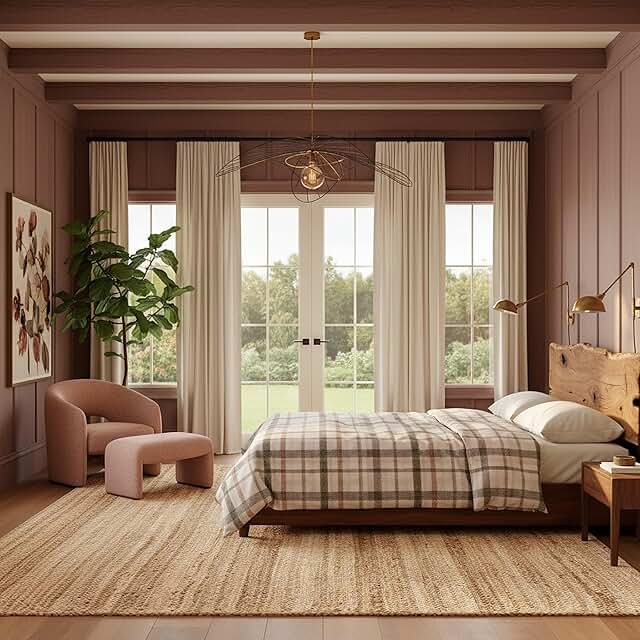
The nuLOOM Rigo Jute Rug brings a natural fiber option with a farmhouse appeal. Although made from jute rather than seagrass, it shares the earthy texture and organic warmth of natural fibers. This 9×12 rug is designed for high-traffic areas and large rooms, acting as a durable centerpiece. Handmade construction supports resilience against wear, while the versatile neutral palette aligns with a variety of color schemes and furniture styles.
SAFAVIEH NF114A – 6×9 Seagrass With Border
This 6×9 option continues the SAFAVIEH NF114A line with a durable seagrass weave and a finishing fabric border. The natural beige and tan tones work well under wooden furniture and in rooms that favor a breezy, coastal vibe. Border stitching helps maintain a crisp perimeter and reduces edge wear in areas that see heavy foot traffic or frequent movement of furniture.
Buying Guide
- Material and texture: Seagrass and jute offer natural durability and a cool, earthy feel. Seagrass tends to be stiffer and more resilient, while jute provides a softer surface underfoot. Consider room use and foot traffic when selecting between seagrass and jute.
- Border and edge finish: Fabr ic borders add a clean, finished edge and can help prevent fraying in busy spaces. Border presence may affect the rug’s ability to lay flat on certain floors; ensure your sofa or chairs align with the rug’s edges to avoid tripping hazards.
- Size and room layout: Larger areas benefit from 6×9 or 9×12 options for scale, while smaller rooms may handle 4×6 or 5×8 departures. Think about how the rug will anchor furniture groupings and define zones.
- Style compatibility: Basketweave and herringbone patterns offer subtle visual interest. Choose a pattern that complements existing furniture and flooring, especially if you mix woods or metals in a coastal or farmhouse interior.
- Maintenance: Natural fiber rugs typically require gentle cleaning. Use a vacuum with a bristle attachment and address stains promptly. Some natural fiber rugs may reveal more color variation over time, which can add character but may affect match with surrounding decor.
- Durability and care: For high-traffic living rooms or entryways, prioritize tighter weaves and bordered edges to resist wear. If pet or child footprints are a concern, look for dense fibers and darker tones that mask dirt between cleanings.
- Installation considerations: Rugs with borders can help define seating areas; however, ensure the rug size allows at least the front legs of furniture to sit on the rug for cohesive design. Pad compatibility improves stability and protects floors.
- Environmental impact: Natural fibers are renewable and biodegradable. Look for rugs sourced from responsible suppliers and consider the manufacturing process when evaluating ecological impact.