Best in Bed Transfer Tanks for Efficient Fuel Transport
Fuel transfer tanks offer a reliable solution for transporting diesel, gasoline, or other fuels directly on pickups or flatbeds. The products below are selected for durability, capacity, and practical features like integrated pumps, theft deterrence, and built-in filtration. This guide highlights five top options to help you choose the right transfer tank for on-the-go fueling needs.
| Product | Brand | Capacity | Key Feature |
|---|---|---|---|
| DEE ZEE DZ92556NB Transfer Tank | DEE ZEE | 125 Brite-Tread Aluminum build | Non-Rusting, radius curve, stable with drain plug |
| Better Built Steel Transfer Fuel Tank – 36-Gallon | Better Built | 36 gallons | Overfill protection, built-in baffles |
| VEVOR Portable Diesel Tank, 58 Gallon | VEVOR | 58 gallons | Lockable lid, 12V pump, duplex filtration |
| KING CHAO FOO 52 Gallon Gasoline Tank | KING CHAO FOO | 52 gallons | 10 GPM pump, 13 ft hose, 3-position nozzle |
| TITAN Fuel Tanks 7010201 | TITAN Fuel Tanks | 52 gallons | Military grade polymer, rust-free |
Below are five in-depth product sections to help compare capabilities, installation considerations, and use-case suitability for different hauling setups.
DEE ZEE DZ92556NB Transfer Tank
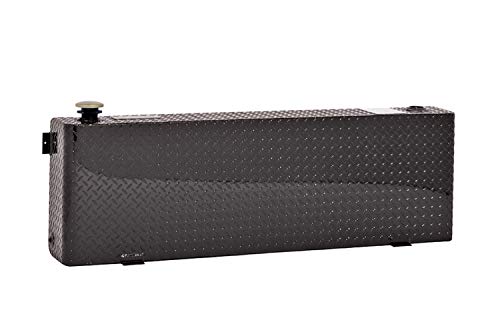
The DEE ZEE DZ92556NB is designed with a 125 Brite-Tread aluminum surface that resists corrosion and enables easy cleaning after use. Its radius curve minimizes weld pressure points, reducing stress on the tank and contributing to long-term durability. Three stability baffles help minimize fuel shifting during transport, improving vehicle handling. A dedicated drain plug enables straightforward cleaning and maintenance, making it suitable for frequent transfer tasks. The non-rusting aluminum construction is a key advantage for outdoor use and varied climates.
Better Built Steel Transfer Fuel Tank – 36-Gallon
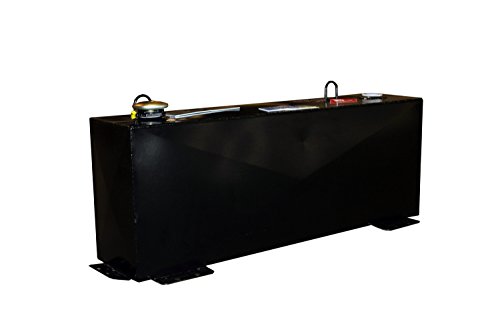
The Better Built 36-gallon steel transfer tank emphasizes capacity and security. Its large 36-gallon volume is matched with an overfill restriction that provides automatic shutoff at the pump, helping prevent spills. Built-in baffles add strength and help prevent contents from shifting during transport, contributing to vehicle stability and safer fueling on the go. This model is well-suited for mid-sized jobs where a balance of capacity and rugged construction is important.
VEVOR Portable Diesel Tank, 58 Gallon

The VEVOR 58-gallon portable diesel tank combines durable polyethylene construction with a locking lid and a 12V transfer pump for reliable fuel delivery. A duplex filtration design helps remove large and small impurities, contributing to fuel cleanliness. The 10.6 GPM flow rate supports efficient fueling, while a mechanical gauge assists with real-time capacity monitoring. This tank is designed for theft deterrence and practical field use, including a long, reinforced hose for flexible connections. The unit suits heavy-duty work where weather exposure is common.
KING CHAO FOO 52 Gallon Gasoline Tank

The KING CHAO FOO 52-gallon portable fuel tank integrates a 12V electric pump with a 10 GPM flow rate and a 13-foot fuel hose for flexible fueling. The tank features a robust lid system with a 3-gear automatic fuel nozzle for precision control. The unit’s construction focuses on corrosion resistance and UV stabilization to endure outdoor use. A built-in scale helps monitor fuel levels, while a pressure relief valve prevents over-pressurization during pumping. The nozzle automatically stops when full, curbing waste.
TITAN Fuel Tanks 7010201

The TITAN 7010201 tank uses a 52-gallon midship design constructed from military-grade cross-linked polymer to resist rust and corrosion. The absence of welds or seams reduces potential leak points, contributing to long-term durability under rugged conditions. TITAN tanks are designed for safe transport of diesel, gasoline, or aviation fuel, providing flexibility for mixed fueling needs on job sites or remote locations. The polymer construction lightens weight relative to steel while maintaining structural integrity.
Buying Guide
Key considerations when choosing a transfer tank include capacity, material, and installation context.
- Capacity vs. vehicle payload: Higher capacity offers more fuel on-site but adds weight. Balance tank size with your truck’s payload and axle load limits.
- Material and corrosion resistance: Aluminum tanks resist rust, while steel tanks can offer rugged strength. Polymer tanks (like TITAN) avoid corrosion and may be lighter, but consider impact resistance and potential UV exposure.
- Fuel type compatibility: Ensure the tank supports your primary fuel (diesel, gasoline, or aviation fuel). Some models explicitly support multiple fuels with appropriate safety features.
- Pump and delivery system: A built-in 12V pump simplifies transfer but check flow rate (GPM) and electrical requirements. Automatic nozzles and shutoff features help prevent overfilling.
- Filtration and fuel cleanliness: Some tanks include duplex filters to remove impurities. This is beneficial in dusty environments or long-term storage.
- Security features: Lockable lids and robust mounting options deter theft and improve safety on remote sites.
- Mounting and fit: Verify bed dimensions and mounting hardware compatibility. For pickup beds, ensure the tank height and width fit without obstructing visibility or access to tools.
- Maintenance considerations: Look for designs with easy cleaning, drain plugs, and accessible filtration, which reduce downtime between jobs.
When evaluating options, compare the combination of capacity, durability, and operational features. Aluminum tanks are lighter and corrosion-resistant but may be pricier; polymer tanks minimize rust and can simplify maintenance but may require cautious handling around sharp impacts. For field-heavy use with frequent refueling, a model with a built-in pump, filter system, and locking lid provides practical advantages. For occasional use or limited space, a smaller, rugged steel tank with smart overfill protection can be a better fit.