Best Window Unit Pellet Stove Options for Efficient Home Heating
Discover top window unit pellet stoves designed to heat compact spaces efficiently and Smartly. This guide highlights five models that balance advanced features, energy savings, and ease of use, helping you choose a unit that fits your room size and climate. Each option features WiFi connectivity, robust heating ranges, and reputable brands to support reliable comfort during cold months.
| Product | Brand | Heats (sq ft) | Hopper | Notable Feature |
|---|---|---|---|---|
| Cleveland Iron Works Bayfront Pellet Stove | Cleveland Iron Works | 1800–2500 | 66 lb | Built-in WiFi, EPA tax credit eligible |
| Cleveland Iron Works Medium Pellet Stove | Cleveland Iron Works | 1500–2200 | 60 lb | Built-in WiFi, EPA tax credit eligible |
| Canyon Lodge Bayfront Pellet Stove | Canyon Lodge | 1800–2500 | 40–80 lb (depending on model) | Built-in WiFi, wide heating range |
| Castle Serenity Pellet Stove | Castle Pellet Stoves | 1500 | 40 lb | Smart Controller with multiple modes |
| Comfortbilt HP22 | Comfortbilt | Up to 2800 | 55–80 lb (model dependent) | EPA certified, strong blower |
Each option supports zone heating via compact, energy-efficient design and modern controls. The following sections provide more detail on five carefully selected models that align with typical American living spaces and energy goals.
Cleveland Iron Works Bayfront Pellet Stove
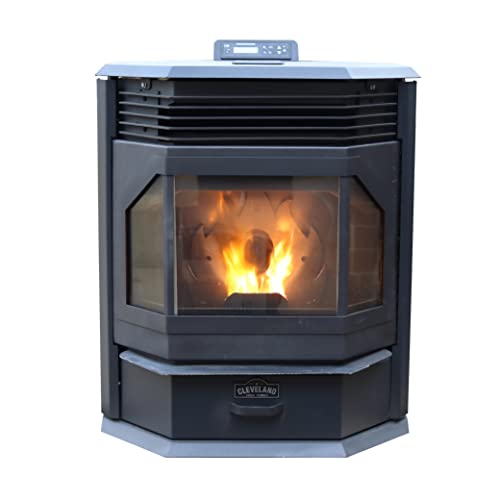
This Bayfront model from Cleveland Iron Works targets medium-to-large living spaces, offering a 66 lb hopper for longer burn times and a heat range suitable for areas up to 2,500 square feet. It includes built-in WiFi for smart home integration and participates in tax credit programs, subject to caps and exclusions. The unit emphasizes EPA-compliant efficiency, helping reduce fuel usage while maintaining steady warmth.
Cleveland Iron Works Medium Pellet Stove

This 60 lb hopper model targets mid-range spaces and provides a heating capacity of roughly 1,500 to 2,200 square feet. It includes built-in WiFi for remote control and monitoring, enabling energy-efficient operation and convenient scheduling. Like other models from the brand, it is designed to support EPA tax credit eligibility where applicable.
Canyon Lodge Bayfront Pellet Stove

The Canyon Lodge Bayfront model provides robust heating for spaces in the 1,800 to 2,500 square feet range, with a 30% IRS Biomass Stove Tax Credit potential. Built-in WiFi enables smart operation, while design emphasizes efficient heat distribution and user-friendly controls. It suits homes seeking a balance of energy savings and dependable warmth during extended winter periods.
Castle Serenity Pellet Stove
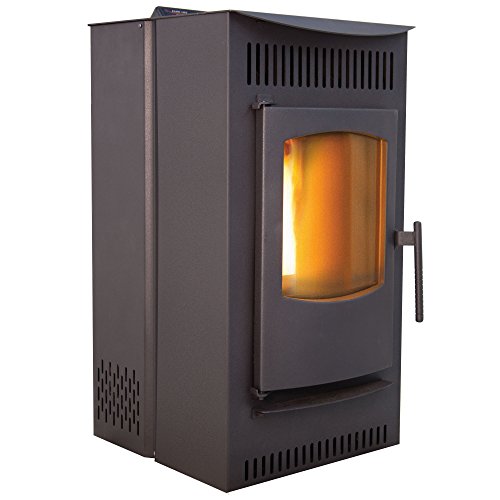
The Castle Serenity offers a compact design with a 40 lb hopper and 1,500 square feet heating capacity. The Smart Controller provides multiple operation modes—Manual, Thermostat, Weekly, and Eco—allowing for adaptive scheduling and temperature management. The system is designed for easy cleaning and daily use while maintaining efficient performance.
Comfortbilt HP22 Pellet Stove
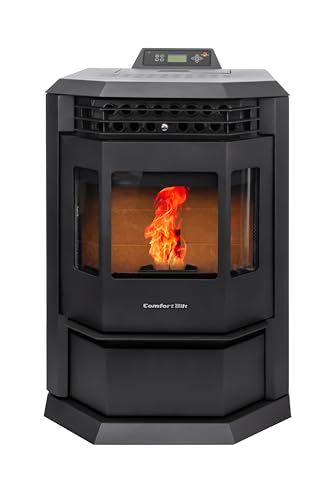
The HP22 by Comfortbilt is designed to heat up to 2,800 square feet and features a 55 lb hopper. It emphasizes a large viewing area and a robust blower, making it suitable for open-plan spaces or rooms requiring stronger airflow. This model is not ventless and requires proper ventilation for safe operation.
Buying Guide
- Space and heating needs: Match the stove’s heating range (sq ft) to your room size. Larger spaces benefit from higher heat output and bigger hoppers for longer burn times.
- Ventilation requirements: Most units require proper venting. Ventless designs are uncommon in window units and often not advisable for safety and efficiency.
- Smart features: Built-in WiFi and app control enable scheduling and remote monitoring, improving energy management and user convenience.
- Tax credits and incentives: Some models qualify for EPA tax credits or biomass credits. Verify current eligibility and caps with your tax advisor or local programs.
- Maintenance and cleaning: Look for models with easy-access cleanouts and simple maintenance routines to minimize downtime and maximize efficiency.
- Energy efficiency and operation modes: Thermostat and Eco modes help maintain set temperatures while reducing fuel use. Consider models offering weekly scheduling for steady comfort.
- Hopper capacity: A larger hopper reduces refueling frequency but may affect overall footprint. Choose based on preferred burn time between fills.
- Noise and airflow: Blowers affect room ambiance. If noise is a concern, check decibel levels or user reviews for real-world performance.
- Brand support and warranties: Opt for brands with documented customer support and clear warranty terms to protect your investment.
- Aesthetics and installation: Consider cabinet style, color, and how well the unit complements your room décor and existing fireplace or stove setup.
For optimal results, compare the five models based on heating capacity, hopper size, smart features, and maintenance needs. Always follow installation and safety guidelines provided by the manufacturer and local codes to ensure safe, efficient operation throughout the heating season.