Best Pillow Solutions to Help Stop Snoring for a Quieter Night
Snoring can disrupt sleep for both you and your partner. A properly chosen pillow designed to support the neck, align the airway, and promote comfortable side-sleeping can make a meaningful difference. Below are five well-regarded options that focus on memory foam support, side-sleeper ergonomics, and airway alignment. Each product is evaluated based on design, materials, and user benefits to help reduce snoring and improve overall sleep quality.
Summary of Selected Products
| Product | Brand | Key Benefit | Unique Point |
|---|---|---|---|
| SAHEYER Anti-Snoring Pillow | SAHEYER | Supports neck alignment to reduce snoring | 55D memory foam with breathable, skin-friendly cover |
| Pyramid Pillow Anti-Snoring Pillow | Pyramid Pillow | Side-sleeper specific design with incline to keep airway open | 90-night guarantee; 9.5-degree incline |
| Bedluxe Wedge Pillow | Bedluxe | Wedge shape for elevating the head and neck | Cooling memory foam top layer |
| Sleepnitez 8″ Bed Wedge | Sleepnitez | Memory foam top layer to contour to the body | 3.25″ memory foam top layer for deeper support |
| NextSleep Anti Wrinkle Side Sleeper Pillow | NextSleep | Neck support with side-sleeper design to prevent sleep wrinkles | Patent-pending neck support and 100-night trial |
SAHEYER Anti-Snoring Pillow for Side Sleepers

The SAHEYER pillow uses a 55D premium slow rebound memory foam core, designed to maintain its shape over long periods of use. Its ergonomic profile targets side sleepers, guiding the neck and upper spine into alignment to help reduce airway obstruction that often contributes to snoring. While memory foam pillows generally require a brief airing-out period to dissipate foam odor, this model emphasizes breathable materials and a skin-friendly pillowcase made from hypoallergenic cotton and polyester. The cover’s mesh sides enhance airflow to keep you cool through the night.
Pyramid Pillow Anti-Snoring Pillow for Side Sleepers
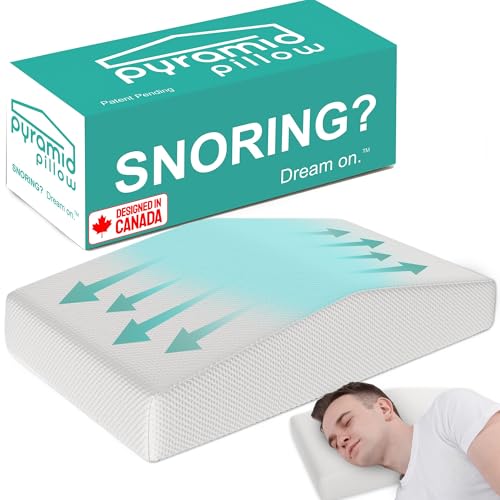
The Pyramid Pillow features a 9.5-degree incline designed to reduce snoring by using gravity to keep the tongue clear of the airway and to support proper neck alignment for side sleepers. Its medium-firm memory foam provides stable, comfortable support, and the product emphasizes a long-shot trial with a 90-night guarantee. This approach can help determine if the incline and density work for your unique snoring pattern, without a high-pressure purchase.
Bedluxe Wedge Pillow, 10 Inch

The Bedluxe wedge pillow combines a cooling memory foam top with a high-density base to elevate the head and neck. The wedge shape is suitable for snoring relief by promoting airway alignment and mitigating reflux-related discomfort that can worsen snoring. Its removable, machine-washable cover improves hygiene and airflow, making it a practical option for nightly use in various sleeping positions.
Sleepnitez 8″ Bed Wedge – Memory Foam Top Layer

This wedge pillow provides a 3.25-inch memory foam top layer designed to contour to the body, offering comfort for those who suffer from snoring, acid reflux, GERD, or pregnancy-related sleep concerns. The design addresses shoulder and neck alignment while preventing pressure points that can wake you during the night. The result is a sleep surface that supports the upper body and helps keep the airways more open during rest.
NextSleep Anti Wrinkle Side Sleeper Pillow

The NextSleep pillow focuses on anti-wrinkle benefits along with neck support for side sleepers. Its design aims to reduce facial pressure that contributes to sleep wrinkles, while the neck support and shoulder snug technology offer a more stable alignment. A 100-night sleep trial provides a low-risk opportunity to assess whether this pillow improves airway comfort and morning feelings of restfulness.
Buying Guide: Key Purchase Considerations
- Sleeping position compatibility: Side-sleep oriented pillows help keep the airway open and reduce snoring by aligning the neck and spine. Look for pillows marketed for side sleepers with a contoured shape or gentle incline.
- Material and feel: Memory foam with a slow rebound profile tends to provide steady support and minimize flattening. 55D–90D densities offer varying degrees of firmness; choose based on your preference for support vs. softness.
- Incline and elevation: A moderate incline (around 5–10 degrees, as seen in some wedges) can help tilt the head to relieve airway obstruction. Extremely high inclines may cause neck strain for some sleepers.
- Breathability and cover: Removable, washable covers with breathable fabrics (cotton, polyester blends) and mesh panels improve airflow and reduce heat buildup, contributing to more comfortable sleep.
- Durability and warranty: Look for pillows with trial periods or guarantees (e.g., 90-night or 100-night trials) to evaluate effectiveness without long-term commitment. Durability of memory foam over time matters for maintaining airway alignment.
- Hygiene and allergy considerations: Hypoallergenic covers and skin-friendly materials help reduce irritation. Ensure the pillow is easy to clean to maintain a fresh sleeping environment.
- Special features: Some designs offer built-in neck support systems, anti-wrinkle benefits, or oral/nasal aids. Consider whether these features align with your snoring triggers and comfort preferences.
When selecting a pillow to help stop snoring, it’s important to align expectations with how snoring occurs for you. For some, airway alignment achieved through side-sleeping and gentle elevation can reduce snoring frequency and intensity. For others, wedge designs addressing reflux or nasal airflow improvements may yield the best results. If snoring persists, consult a healthcare professional to explore underlying causes and additional remedies.